Get Energy Audit Service
Energy audit services help property owners identify energy use issues and recommend improvements for projects like insulation, HVAC, lighting, and energy efficiency upgrades.
Property owners considering energy efficiency improvements often find that an energy audit provides valuable insights into how their building uses and conserves energy. This service helps identify areas where energy is being wasted and highlights practical opportunities for cost-effective upgrades. Exploring options for an energy audit can be a strategic step in planning future projects, ensuring that investments are targeted and effective.
For those in the local area, connecting with experienced service providers can streamline the process of assessing and improving energy performance. Local contractors who specialize in energy audits understand the unique characteristics of regional buildings and can offer tailored recommendations. Continuing to explore available options can help property owners make informed decisions about enhancing comfort, reducing unnecessary energy use, and optimizing overall building performance.
- Residential Energy Audit - homeowners seeking to identify energy inefficiencies in their homes.
- Commercial Energy Audit - businesses looking to reduce operational costs through energy improvements.
- Building Energy Assessment - property managers needing to evaluate large commercial or industrial buildings.
- Energy Efficiency Consultation - property owners wanting expert advice on improving energy performance.
- Utility Energy Audit - utility companies or organizations aiming to optimize energy distribution and usage.
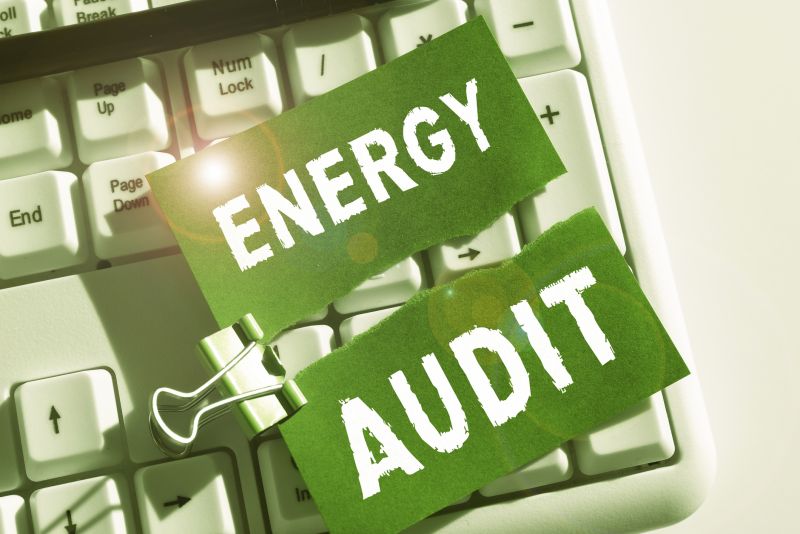
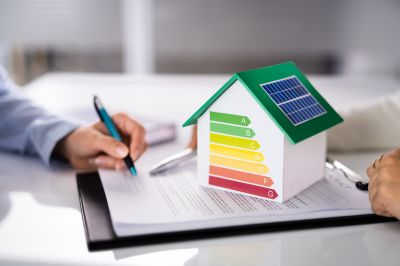
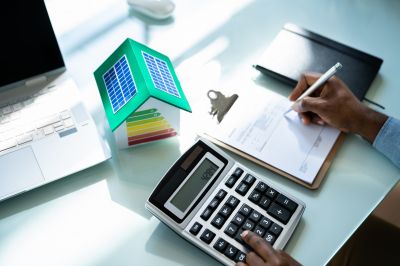
Energy audit services involve a thorough assessment of a property's energy use and efficiency. A trained service provider will examine various aspects of a home or building, including insulation, windows, lighting, heating and cooling systems, and appliances. The goal is to identify areas where energy is being wasted and to determine how energy consumption can be optimized. This process typically includes detailed inspections, measurements, and analysis to provide a clear understanding of the property's current energy performance.
These services are especially helpful for addressing common issues such as high energy bills, uneven heating or cooling, drafts, and poor insulation. By pinpointing specific problem areas, energy audits can guide homeowners on where to make improvements-whether that involves sealing leaks, upgrading insulation, or replacing outdated systems. This can lead to reduced energy costs and increased comfort within the property. Additionally, energy audits can help identify safety concerns related to electrical or heating systems, ensuring the property operates safely and efficiently.
Properties that often benefit from energy audit services include single-family homes, multi-family residences, and small commercial buildings. Older homes, in particular, are prime candidates, as they may have outdated insulation or inefficient heating and cooling systems. Newer properties can also benefit if owners want to verify their systems are functioning optimally or to plan upgrades. Both homeowners and property managers may seek these services to improve energy efficiency, lower utility bills, or prepare for potential upgrades and renovations.
Homeowners who notice unusually high energy costs, inconsistent indoor temperatures, or drafts may find an energy audit particularly useful. It provides a comprehensive evaluation that can reveal hidden issues affecting comfort and expenses. Service providers can then recommend targeted improvements tailored to the property's specific needs. Connecting with local contractors who specialize in energy audits ensures that property owners receive expert insights and practical solutions to enhance energy performance and overall comfort.
The overview below groups typical Energy Audit Service projects into broad ranges so you can see how smaller, mid-sized, and larger jobs often compare in your area.
In many markets, a large share of routine jobs stays in the lower and middle ranges, while only a smaller percentage of projects moves into the highest bands when the work is more complex or site conditions are harder than average.
Basic Energy Audits - these typically cost between $250 and $600 for many smaller or routine assessments. Most projects in this range involve standard inspections and simple recommendations. Larger or more complex audits can reach $1,000 or more, but fewer projects fall into this highest tier.
Comprehensive Residential Audits - the average cost ranges from $500 to $1,500 depending on the size of the property and scope of testing. Many homeowners see prices in the middle of this range, with more extensive evaluations pushing costs higher. Local contractors can provide detailed assessments within this typical band.
Commercial Energy Audits - these services usually cost between $1,500 and $5,000 for larger buildings or complex systems. Smaller commercial projects often fall toward the lower end, while larger facilities with extensive systems may approach the upper limit. Costs can vary based on building size and audit depth.
Full System Reassessments - for projects involving detailed analysis and extensive testing, costs can exceed $5,000. These are less common and typically reserved for large-scale or highly complex energy evaluations. Many standard audits are completed within the lower to middle price ranges.
Actual totals will depend on details like access to the work area, the scope of the project, and the materials selected, so use these as general starting points rather than exact figures.
Building Envelope Inspection - professionals assess the physical structure of buildings to identify areas of energy loss, similar to how energy auditors evaluate insulation and air leaks.
HVAC System Evaluation - local contractors analyze heating, ventilation, and air conditioning systems to optimize energy efficiency, aligning with energy audit practices.
Lighting System Assessment - service providers review lighting setups to recommend improvements that reduce energy consumption, paralleling energy audit methods.
Indoor Air Quality Testing - experts measure air quality levels to identify issues that can impact energy use and efficiency within buildings.
Thermal Imaging Surveys - specialists use thermal cameras to detect heat loss and insulation gaps, similar to techniques used in energy audits.
Renewable Energy System Planning - local pros design and evaluate solar or other renewable installations, which often require detailed energy analysis akin to audits.
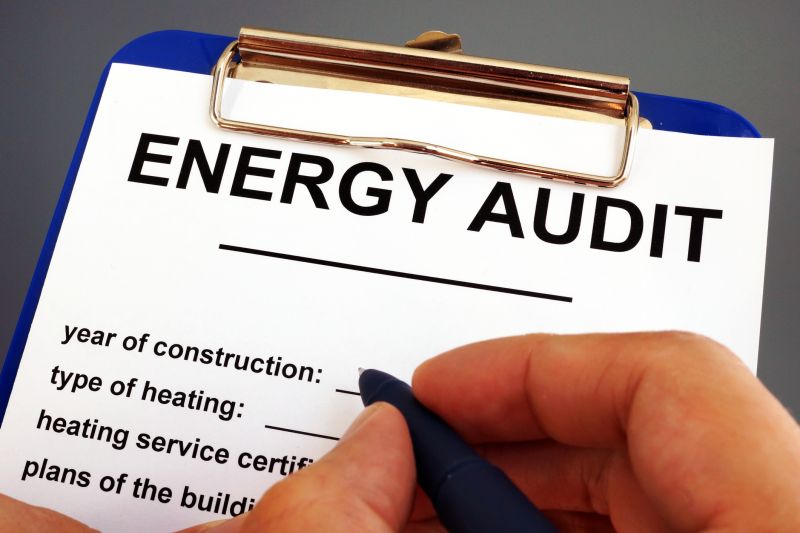
When evaluating service providers for an energy audit, it’s important to consider their experience with similar projects. Homeowners should look for local contractors who have a track record of completing energy assessments in homes comparable to their own. An experienced pro will understand the common issues and effective solutions relevant to the local climate and housing styles, helping ensure the audit is thorough and accurate. This background can also indicate familiarity with the latest methods and tools used in energy assessments, contributing to a more reliable evaluation of a home's energy performance.
Clear, written expectations are a key factor when comparing local pros for energy audit services. Homeowners should seek providers who can articulate what the audit will include, what areas will be assessed, and what the potential outcomes might be. Having a detailed scope of work helps prevent misunderstandings and ensures that everyone is aligned on the process. Reputable service providers often provide documentation or checklists that outline their approach, making it easier to compare options and select a contractor that meets specific needs.
Good communication and reputable references are essential qualities to consider when choosing local contractors. Homeowners are encouraged to ask for references or reviews from previous clients who had similar work done. This feedback can provide insights into the contractor’s professionalism, responsiveness, and quality of work. Effective communication throughout the process-whether it’s answering questions clearly or providing updates-can make the experience smoother and more transparent. Ultimately, selecting a service provider known for reliable communication and positive references can contribute to a more confident and satisfactory energy audit experience.
Property owners use Energy Audit Service services for practical projects around their homes and businesses. This guide focuses on everyday jobs and straightforward project options.
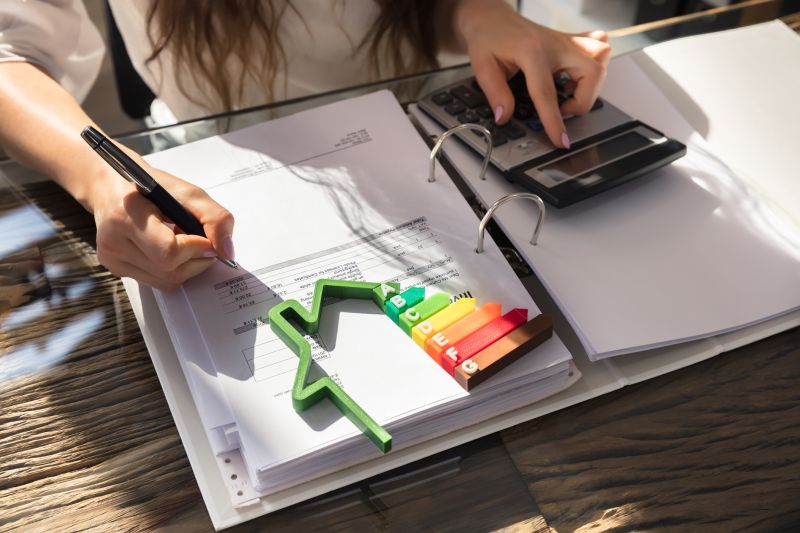
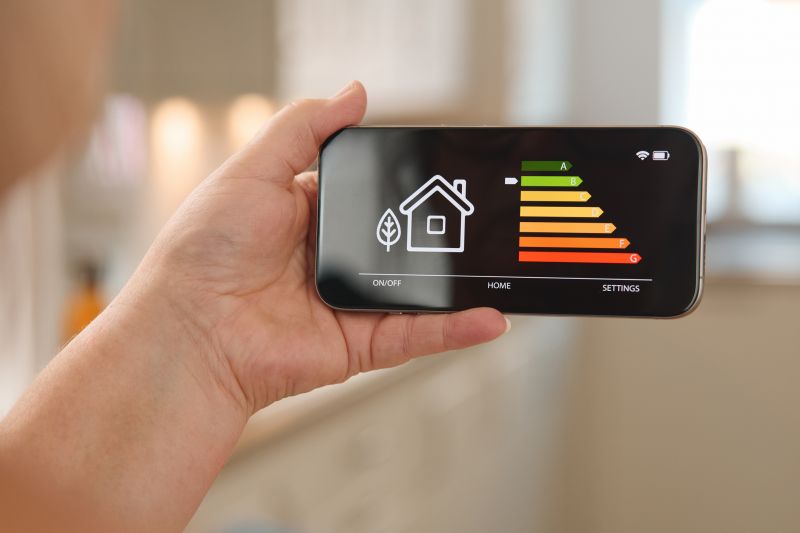
Energy audit services are often sought by property owners who notice rising utility bills or inconsistent heating and cooling throughout their buildings. These everyday situations can prompt a homeowner or business owner to explore options for identifying areas where energy is being wasted. Local contractors specializing in energy assessments can evaluate the property’s insulation, HVAC systems, and overall energy use to pinpoint potential improvements, helping owners make informed decisions about upgrades or repairs.
Additionally, property owners might consider energy audits when planning renovations or upgrades to ensure their investments lead to better efficiency. Whether it's upgrading windows, improving insulation, or optimizing heating and cooling systems, local service providers can offer expert advice and assessments. These professionals help identify cost-effective solutions that can enhance comfort and reduce energy consumption, making them a practical resource for those looking to improve their property's performance.
What is an energy audit? An energy audit is an assessment conducted by local contractors to evaluate a property's energy use and identify opportunities for efficiency improvements.
How can an energy audit benefit my property? A professional energy audit can help pinpoint areas where energy consumption can be reduced, leading to potential savings and improved comfort.
What does a typical energy audit involve? A standard energy audit includes inspecting the building's insulation, HVAC systems, windows, and other components to assess energy performance.
Who performs energy audits? Local service providers or contractors specializing in energy assessments conduct these evaluations to provide tailored recommendations.
How do I find qualified professionals for an energy audit? You can contact local contractors through a lead generation platform to compare options and connect with experienced service providers in your area.
Energy Efficiency Improvements - Property owners can identify areas where energy consumption can be reduced, leading to potential savings on utility bills.
Heating and Cooling Optimization - Audits help pinpoint issues with HVAC systems that may cause uneven temperatures or excessive energy use.
Insulation and Air Leak Detection - Homeowners can find drafts and insulation gaps that, when addressed, improve comfort and reduce energy waste.
Environmental Impact Reduction - Conducting an energy audit provides insights into how to make a property more efficient, supporting responsible energy use.
If you are thinking about Energy Audit Service for a property, this guide is meant to help you understand the work, the typical project types, and how different options might fit your plans.
When you are ready, you can use the quote form on this page to share a few details about your project. From there, local pros can review the basics and respond with options that match what you have in mind.